

Key Takeaways:
- Fleas themselves rarely kill healthy adult cats but can cause life-threatening complications in vulnerable cats.
- Anemia, flea-borne diseases, and tapeworms are the main risks.
- Early detection, effective treatment, and preventive measures are crucial.
- Kittens, senior cats, and sick cats are most at risk from severe infestations.
- Regular check-ups and flea prevention keep your cat healthy and comfortable.
Fleas are more than just a nuisance—they can seriously impact your cat’s health. Many pet owners wonder, can fleas kill a cat? While fleas are tiny, their effects can be surprisingly dangerous, especially for kittens, senior cats, or cats with underlying health issues. In this article, we’ll explore the hidden dangers of fleas, how they affect your cat, and what you can do to protect your furry friend.
What Are Fleas and How Do They Affect Cats?
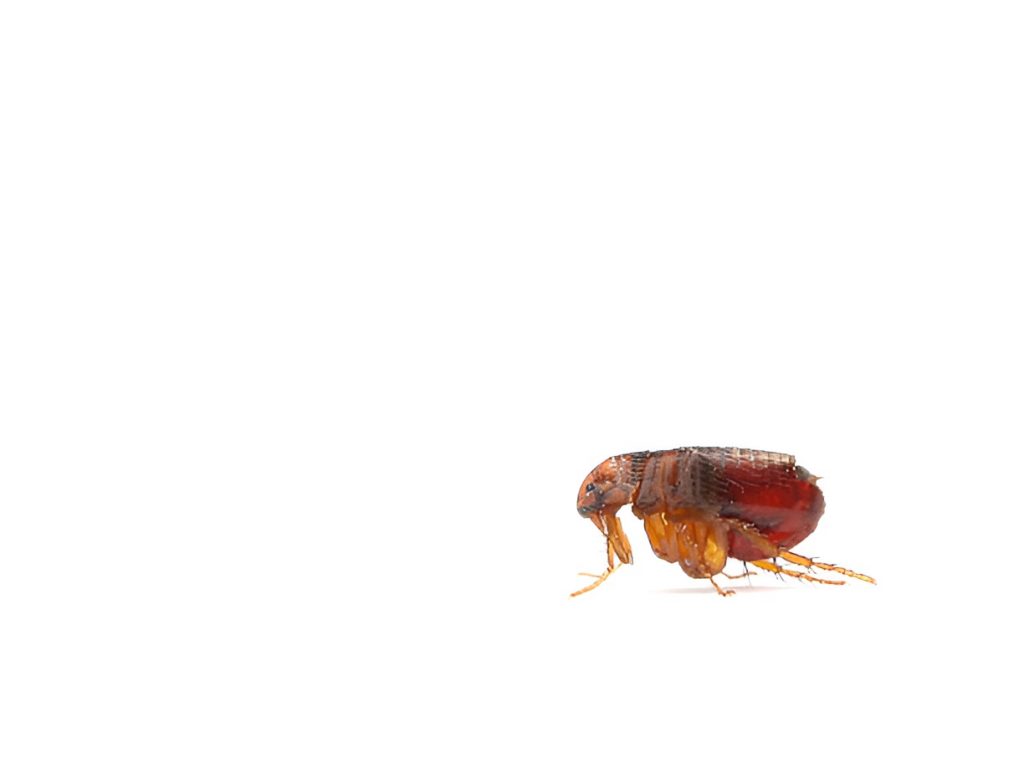
Fleas are small, wingless insects that survive by feeding on the blood of their hosts. Cats are common victims, and a single flea can lay dozens of eggs, quickly leading to an infestation.
Fleas aren’t just annoying—they carry diseases and parasites that can threaten your cat’s health. When a flea bites, it injects saliva that can trigger allergic reactions, itching, and skin infections. Over time, repeated bites can lead to serious problems, including:
- Severe itching and over-grooming
- Hair loss and skin sores
- Secondary infections from scratching
- Transmission of tapeworms and other parasites
Understanding how fleas affect cats is key to knowing why they can be dangerous.
Can Fleas Kill a Cat? The Real Risks
While most healthy adult cats can survive a flea infestation, fleas can indeed pose life-threatening risks in certain situations. Fleas can kill a cat indirectly by causing serious health complications.
Anemia: The Most Common Danger
Fleas feed on blood, and a heavy infestation can lead to anemia, which is a critical reduction in red blood cells. Signs of anemia in cats include:
- Pale gums
- Weakness or lethargy
- Rapid breathing
- Dizziness or fainting
Kittens, senior cats, and cats with pre-existing conditions are especially vulnerable. In severe cases, untreated anemia can be fatal.
Flea-Borne Diseases
Fleas can carry and transmit diseases, some of which are dangerous to cats:
- Bartonellosis (Cat Scratch Fever): Can cause fever, loss of appetite, and lethargy.
- Hemobartonella: Affects red blood cells and can worsen anemia.
- Tapeworms: Fleas are carriers of tapeworm larvae, which cats ingest during grooming.
While these conditions are often treatable, delayed detection can increase the risk of serious complications.
How to Recognize Flea Infestations Early

Early detection is crucial to prevent severe outcomes. Learning how to tell if cat has fleas can help you act before an infestation becomes serious. Here’s what to look for:
Physical Signs
- Excessive scratching, biting, or grooming
- Red or irritated skin
- Bald patches or hair loss
- Flea dirt: tiny black specks, which are flea feces
Behavioral Changes
- Restlessness or irritability
- Decreased appetite
- Hiding or avoiding interaction
Regularly inspecting your cat, especially around the neck, tail, and belly, can help catch fleas before they become a major problem.
What Makes Cats More Vulnerable to Flea-Related Health Problems?
Some cats are at higher risk when fleas infest them. Factors include:
- Age: Kittens have smaller blood volumes and weaker immune systems, making anemia more dangerous.
- Health conditions: Cats with chronic illnesses or weakened immunity are less able to fight infestations.
- Outdoor exposure: Cats that roam outside are more likely to encounter fleas and other parasites.
Understanding these risk factors helps you prioritize prevention and treatment.
Can Fleas Kill a Cat Instantly?
It’s extremely rare for fleas to kill a healthy adult cat immediately. However, in vulnerable cats, heavy infestations combined with anemia or disease can become life-threatening over time. The key takeaway is that even though fleas are tiny, their impact accumulates quickly, making prompt action essential.
How to Treat Fleas Effectively
Once fleas are detected, treatment should begin immediately. Here’s a structured approach:
Topical Treatments
- Fast-acting spot-on products that kill adult fleas
- Some formulas prevent eggs from hatching
Oral Medications
- Provide systemic protection against adult fleas
- Often more effective for severe infestations
Environmental Control
- Wash bedding, blankets, and furniture
- Vacuum carpets and floors regularly
- Consider flea sprays or foggers for heavy infestations
Consistency is key: repeat treatments as recommended by your veterinarian to break the flea life cycle.
Preventing Fleas Before They Become a Problem
Prevention is always better than treatment. Here are strategies to keep fleas at bay:
- Regular Flea Medications: Administer monthly preventive treatments, especially if your cat goes outdoors.
- Check for Fleas Frequently: Use a flea comb to inspect your cat at least once a week.
- Maintain a Clean Home: Vacuum regularly, wash pet bedding, and treat areas where your cat spends time.
- Limit Outdoor Exposure: Reduce contact with wildlife or areas where fleas are common.
Preventing fleas not only protects your cat’s health but also saves you from dealing with stressful infestations.
When to Seek Veterinary Help
Even minor flea problems can escalate, so it’s important to consult a veterinarian if your cat shows:
- Signs of anemia (pale gums, weakness)
- Heavy flea infestation
- Unexplained weight loss
- Severe skin irritation or infections
Your vet can recommend the best treatments and monitor your cat’s recovery.
Fleas and Multiple Pets: What You Should Know
If you have more than one pet, fleas can quickly spread between animals. Important steps include:
- Treat all pets simultaneously
- Clean and disinfect shared areas
- Monitor for signs of fleas in dogs, rabbits, or other animals
This comprehensive approach prevents reinfestation and protects all household pets.
Final Thoughts
Fleas may be small, but their potential to harm your cat is significant. The answer to can fleas kill a cat? is yes, under certain conditions—especially when infestations are severe or the cat is vulnerable. By learning how to recognize fleas, prevent infestations, and treat your cat promptly, you can safeguard their health and keep them happy for years to come.